
The Book’s Changing Standard of Proof
How to Change Your MindPollan’s inquiry moves between laboratory evidence, personal testimony, and literary experience, gradually accepting plural forms of knowledge without abandoning skepticism.
increasing Bearing strength in each event
 decreasing
Bearing strength in each eventdecreasingThe Scientist’s Measurement
Prospective Evidence
An experiment can invite experience
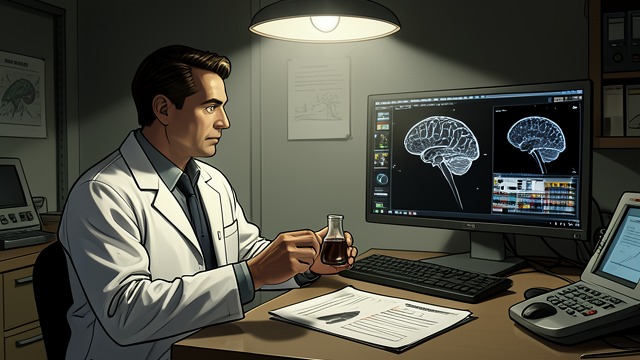
Researchers show that psilocybin can occasion experiences participants identify as mystical. Measurement turns a previously elusive subject into something that can be studied prospectively.
Limits remain visible
Questionnaires and follow-ups capture reported effects but cannot settle the experience’s metaphysical truth. Scientific method gains traction without claiming omniscience.
The Witness’s Authority

Testimony Has Weight
Enduring personal effects
Volunteers describe lasting changes in openness, compassion, and fear of death. Their stories matter because they reveal outcomes that simple behavioral observation might miss.
A public question
A participant’s certainty cannot obligate others to believe the same thing. Pollan learns to respect testimony while asking what kind of evidence it can provide.
The Body as Evidence

First-Person Knowledge
Direct encounter
Pollan’s experiences make ineffability and ego dissolution concrete to him. The language of mystical literature changes from abstraction to a recognizable report of human consciousness.
No privileged conclusion
His experience gives him access to a perspective, not automatic expertise about its cause. He must still interpret what happened and remain open to other accounts.
Neural Correlates Enter the Story
The Brain Is Measured
A physical map
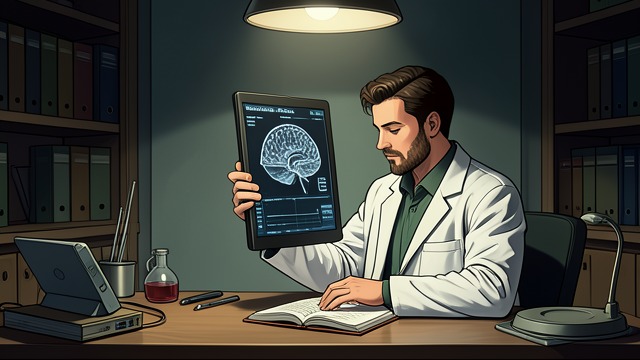
Imaging studies associate psychedelic experience with changes in blood flow, network activity, and connectivity. Such findings help connect reported states to measurable brain processes.
The explanatory gap
A neural correlate is not the same as an account of what experience feels like. The book uses brain science to sharpen the question, not erase it.
A Plural Method

Several Lenses, No Final Word
Layered understanding
Biology, psychology, philosophy, and spirituality each illuminate different aspects of the experience. Pollan sees no single vocabulary as entitled to close the discussion.
Inquiry stays open
The final standard is disciplined curiosity: take experiences seriously, test claims carefully, and resist premature certainty. The book ends with a widened account rather than a verdict.
During the Hopkins study account
During interviews with volunteers
During Pollan’s own journeys
During the neuroscience chapter
At the end of the inquiry
